What a token transfers page shows
A transfers page is a chronological list of movements of one token: sender, recipient, amount, and the transaction each movement belonged to. It is the token’s own activity log, and it is assembled differently from a plain transaction list — which is the first thing worth understanding.
Transfers are events, not transactions
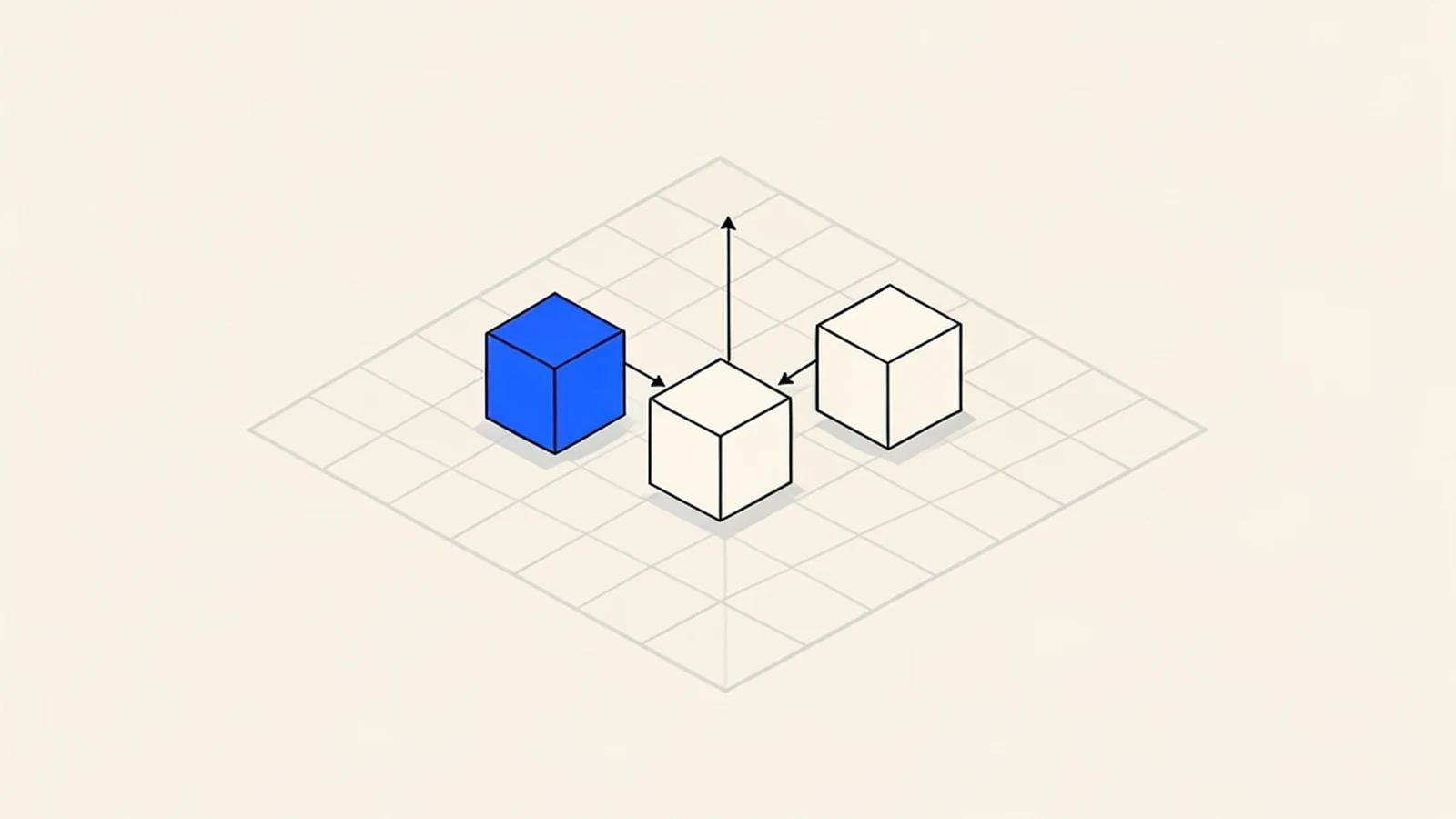
When a token moves, the chain does not record a native transfer. It records that a transaction called a contract, and the contract emitted an event announcing the movement. Explorers index those events and present them as a transfers list.
Two practical consequences follow. First, one transaction can contain many transfers — a single swap routinely emits several as value passes through intermediate contracts. Second, the transfer list depends on the contract emitting events correctly; a contract that moves balances without emitting standard events produces movements that ordinary tooling will not show.
The fields
| Field | What it means |
|---|---|
| Transaction hash | The transaction the transfer occurred inside |
| Age / timestamp | When the containing block was produced |
| From | The address debited. The zero address here means a mint |
| To | The address credited. The zero address here means a burn |
| Amount | The raw value adjusted by the contract’s decimals |
The zero-address convention is worth remembering because it is how supply changes are visible: tokens appearing from the zero address are newly minted, and tokens sent to it are destroyed. A supply that is described as fixed, on a transfers page showing regular mints, is a contradiction you can read directly.
Reading activity honestly
Transfer counts are the metric most often presented as evidence of adoption, and they are close to worthless taken alone, because generating them costs only gas.
- Volume is not distribution. A million transfers among twenty addresses is not activity, it is circulation within a small group.
- Wash patterns are visible. Value moving in a loop between a handful of addresses shows up plainly once you look at the counterparties rather than the count.
- Timing clusters mean automation. Transfers arriving at machine-regular intervals were not made by people.
- A quiet list is not automatically bad. Plenty of legitimate contracts are simply not busy. Absence of activity is information, not a verdict.
This page describes the movement from the ledger’s side. The wallet-side procedure is a separate practical matter, and a step-by-step on how to send crypto between platforms covers the part you actually click through — the events described above are what that process leaves behind in the record.
Why this page matters for verification
The transfers list is where the difference between an interface’s claims and the chain’s record becomes concrete. A platform can display any activity figure it likes on its own dashboard. The transfers list is produced by indexing events the chain actually contains, so where the two disagree, the explorer is the one reading reality.
That is also why an explorer being independent of the project matters. An explorer operated by the same people who operate the token is not an independent check on the token, whatever it displays.
Where to look instead
Use an operating explorer for the chain the contract lives on. Continue with holder distribution, which is the more informative of the two views, the token overview, accounts lists, or what these records are underneath.
Frequently asked questions
What is a token transfer on a block explorer?
An event emitted by a token contract announcing that a balance moved, indexed by the explorer and shown with sender, recipient, amount, and containing transaction. Token movements are contract events rather than native chain transactions.
Why does one transaction contain several token transfers?
Because value can pass through intermediate contracts. A single swap routinely emits several transfer events as tokens move between the user, a router, and one or more pools.
What does the zero address mean in a transfer list?
Tokens coming from the zero address were newly minted; tokens sent to it were burned. This is how supply changes become visible u2014 a supply described as fixed alongside regular mints is a contradiction you can read directly.
Does a high transfer count mean a token is widely used?
No. Transfers cost only gas, so counts are easy to generate. Check how many distinct addresses are involved and whether value loops between a small group u2014 a million transfers among twenty addresses is circulation, not adoption.