What a token page shows
A token page is the summary view for one contract: its name and symbol, total supply, decimals, the contract address itself, and links through to transfers and holders. Every field is read from the contract, which means every field is exactly as truthful as the contract’s author chose to make it.
A token is not a coin
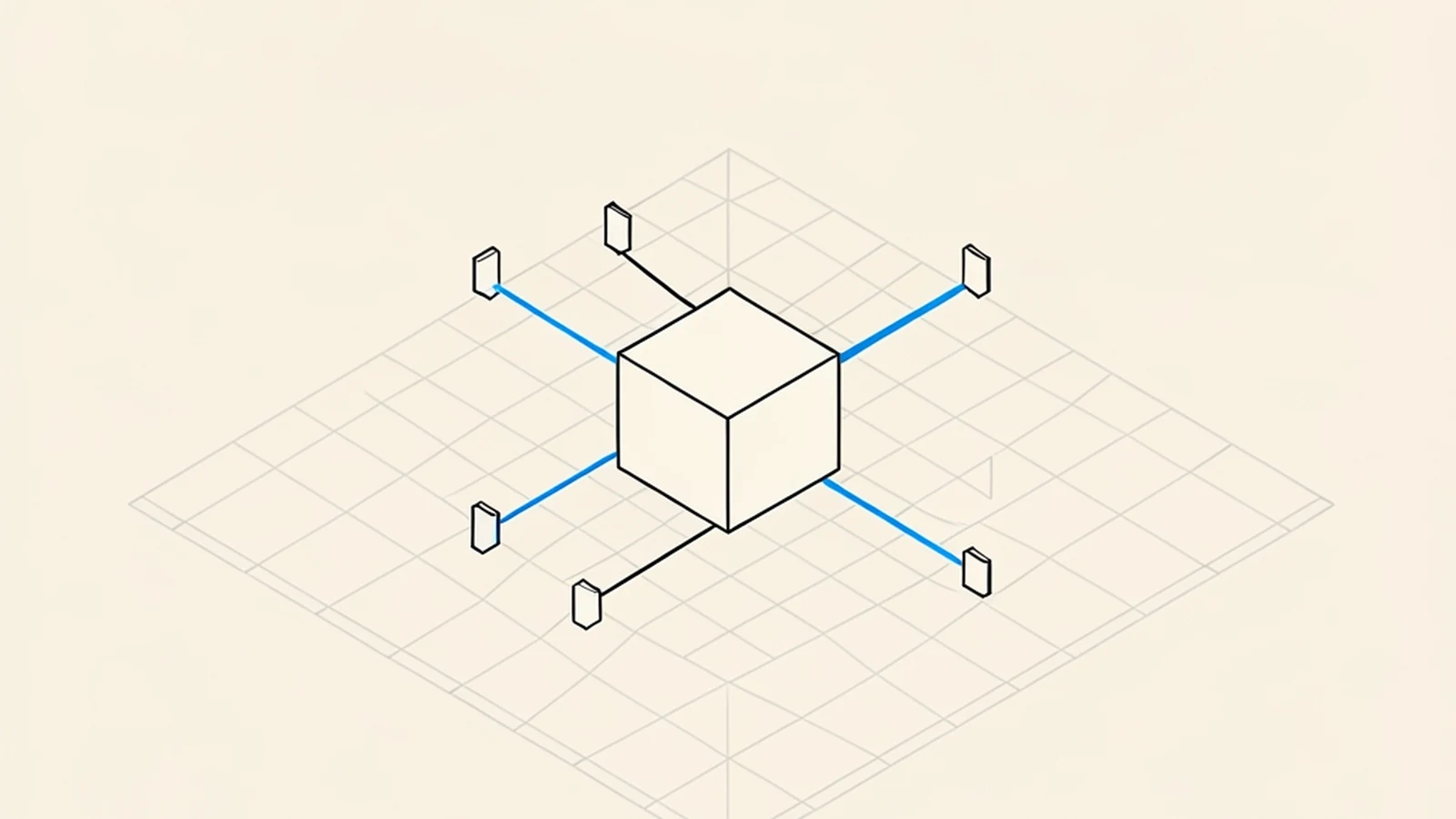
This is the distinction that makes the rest make sense. A coin is a chain’s native asset — it exists at the protocol level, and the network’s own rules govern it. A token is a smart contract deployed on somebody else’s chain, keeping its own internal ledger of who holds what. The chain does not know about the token in any special way; it just runs the contract.
The practical consequence: deploying a token costs very little and requires no permission. A token existing tells you nothing about whether anyone stands behind it, because creating one is a routine operation, not an achievement.
Name and symbol are not identifiers
The same ticker also routinely exists as separate contracts on several different chains, which is why usdt erc20 meaning is among the most looked-up questions in this area — the suffix names the chain and token standard a particular contract follows, not a different asset.
Name and symbol are strings the deployer chose. Neither is unique, neither is verified, and nothing prevents anyone from deploying a contract using the name and symbol of a well-known project. This is a common impersonation route, and it works because interfaces display the name prominently and the contract address, which is the only real identifier, in small type or not at all.
The contract address is the identifier. The name is a label the deployer typed.
Supply and decimals
Total supply is the number the contract reports. Decimals define how that raw integer is displayed — a contract with 18 decimals stores one unit as a very large integer, and the interface divides it down for display. This causes real confusion when a raw value is read straight off the chain without adjustment, and it is why a figure can appear wildly wrong when a tool has the decimals mismatched.
Supply is not fixed by nature either. Whether more can be minted depends entirely on the contract’s code, which is why a verified, readable source listing matters more than any stated policy.
What to check on a token page
- Is the source verified? Verified source means the published code has been shown to compile to the deployed bytecode. Unverified means nobody outside the deployer can read what the contract actually does.
- Does the contract address match the one from an authoritative place? Not from a search result, an advertisement, or a message — from the project’s own documented channels. Mismatched addresses with matching names are the impersonation case above.
- Can supply change? A mint function that an owner can call is not automatically bad, but it is a fact you want to know rather than discover.
- Who can be blocked, taxed, or paused? Contracts can include transfer restrictions. These are visible in verified source and invisible everywhere else.

Where to look instead
Token pages are chain-specific, and an explorer only knows about contracts on the chain it indexes. To inspect a live token, use an operating explorer for the chain the contract is deployed on. Where a chain has no operating explorer left, that data is effectively unavailable to a casual user regardless of what any third-party site claims to show.
Continue with how transfers are recorded, what holder distribution reveals, how to read an address, and the underlying record itself.
Frequently asked questions
What is the difference between a coin and a token?
A coin is a chain's native asset governed by the protocol itself. A token is a smart contract deployed on someone else's chain that keeps its own internal ledger of holders. Deploying a token is routine and permissionless, so a token's existence proves nothing about who stands behind it.
Can two tokens have the same name?
Yes. Name and symbol are strings the deployer chooses; neither is unique or verified. Anyone can deploy a contract using a well-known project's name, which is a common impersonation route. Only the contract address identifies a token.
What does 'verified source' mean on a token page?
That the published source code has been shown to compile to the bytecode actually deployed on chain. Without it, nobody outside the deployer can read what the contract really does.
What are token decimals?
A setting defining how the contract's raw integer amounts are displayed. A contract with 18 decimals stores one unit as a very large integer and interfaces divide it down. Mismatched decimals are a common cause of figures appearing wildly wrong.